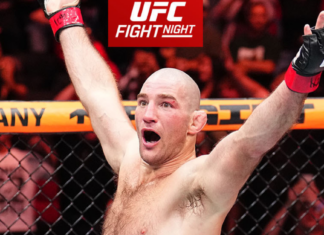


Joe Rogan has made a striking historical comparison after Justin Gaethje’s reported win over Ilia Topuria, arguing that the moment stands above even Muhammad Ali’s “Rumble in the Jungle” in terms of spectacle and memory. In comments from episode 181 of the JRE MMA Show, Rogan pointed to the setting, the upset angle, and the flow of the fight as the reasons he sees it in that category.
Joe Rogan Says Justin Gaethje’s UFC Freedom 250 Win Was Bigger Than “Rumble in the Jungle”
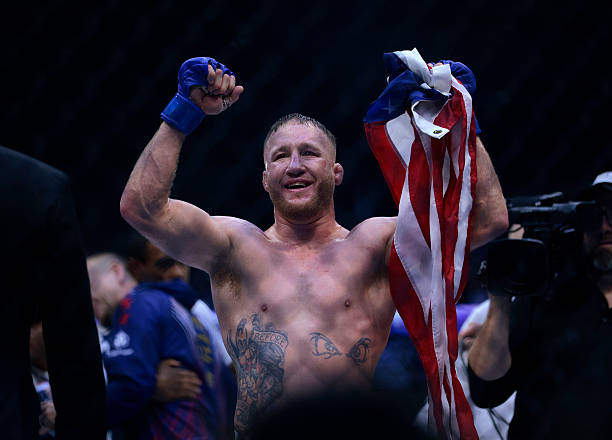
Rogan told Gaethje: “We were just watching you look at the Declaration of Independence before you walked out. This is never gonna happen again. This is more historic than ‘Rumble in the Jungle’, more historic than [anything].” He continued by saying the image of an American fighter entering as a major underdog and then winning “in spectacular fashion” made the event stand apart in combat sports memory.
Gaethje was a 6-1 underdog in some sportsbooks ahead of the fight with Topuria. It adds that the contest turned into a battle before Topuria was stopped on the stool after four rounds, a finish that Rogan highlighted when he described the “back and forth” as a big part of the event’s impact.
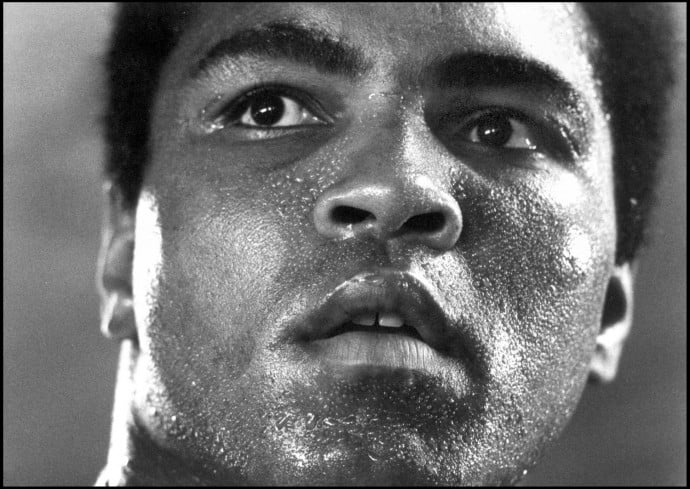
The Rumble in the Jungle has long occupied a unique place in fight history. The 1974 bout in Zaire saw Ali reclaim the heavyweight title against George Foreman and remains one of boxing’s most discussed nights, so invoking it is a way of placing Gaethje’s reported win in the highest tier of combat sports theater.
Gaethje also addressed the reaction around the result during the same interview cycle. In the quoted remarks, he said accusations and hate comments became fuel, explaining that he read what people were saying and that the criticism was “partly why I won.”
Whether Rogan’s comparison holds up against boxing history is open to debate, but his point was clear: Gaethje’s upset had the kind of setting, stakes, and swing that made it feel larger than a routine title fight. With the White House backdrop, the underdog narrative, and Gaethje’s own admission that outside criticism helped drive him, the result landed as one of those rare combat sports moments that people will keep arguing about long after the final bell.