


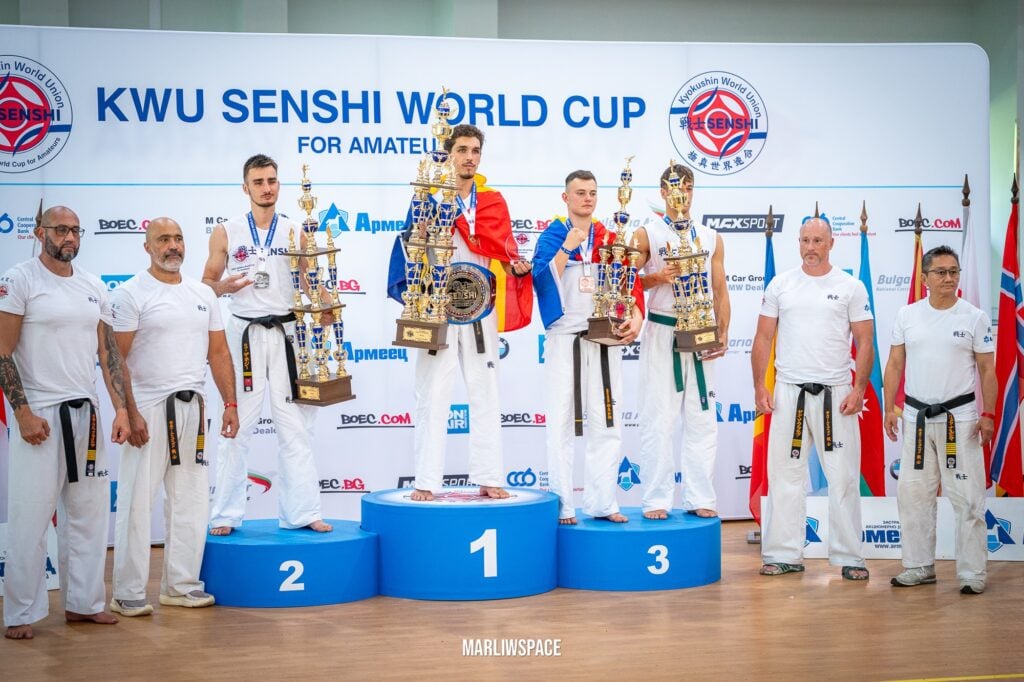
The KWU SENSHI World Cup for Amateurs 2026 wrapped up in Varna with six new champions crowned after two days of high-level action, closing out the amateur portion of SENSHI’s summer showcase and setting the stage for the SENSHI 32 professional Grand Prix on the beach later that same evening.
KWU SENSHI World Cup
The KWU SENSHI World Cup for Amateurs 2026 ran from July 8–10 in Varna, Bulgaria, as part of the program of the XX International Martial Arts Summer Camp. The event followed the official KWU SENSHI ruleset, a hybrid format that blends full-contact karate principles with Muay Thai-style striking in a ring setting.
This was the third edition of the World Cup for Amateurs under the KWU SENSHI banner, continuing a project that has been building out a full summer fight week around the Varna camp and SENSHI’s beach gala shows.
According to the official tournament platform, the 2026 World Cup brought 48 selected amateur fighters to Varna, drawn from 21 countries, all competing over three days for titles in six weight categories from -70 kg up to +90 kg.
Under KWU SENSHI rules, competitors fight in a ring with small gloves, shin guards at amateur level, and a striking ruleset that allows punching, kicking, knees, limited clinch work and sweeps, while maintaining a strong connection to full-contact karate movement and stance. For this World Cup, the format was built around three stages: a qualification round, semifinals and finals, which meant that to take the gold, each champion had to win three bouts in three days.
The tournament also included a clear financial structure, notable for an amateur event. For each fighter, the purse increased with every stage: 1,000 euro to win and 500 euro to lose in the qualification round, 1,500 euro to win and 1,000 euro to lose in the semifinals, and 2,000 euro to win and 1,000 euro to lose in the final. That system rewarded both advancement and activity while still paying those who fell short in each round, reinforcing the World Cup’s role as a stepping stone toward a professional career.
The 2026 edition of the KWU SENSHI World Cup for Amateurs attracted 48 competitors from 21 different countries, reflecting the project’s growing reach since the first events in Varna. The line-up featured athletes from traditional Kyokushin and other full-contact karate schools, Muay Thai and kickboxing gyms, and mixed striking backgrounds, all adapting their styles to the unified ruleset.
Many of the fighters used the World Cup as a bridge from national and regional amateur championships to a bigger international stage, with Varna’s camp environment allowing them to train alongside SENSHI legends and instructors between tournament sessions. The cross-pollination between different karate organizations and striking systems remains one of KWU SENSHI’s main goals, and the World Cup sits at the center of that strategy each summer.
The six champions
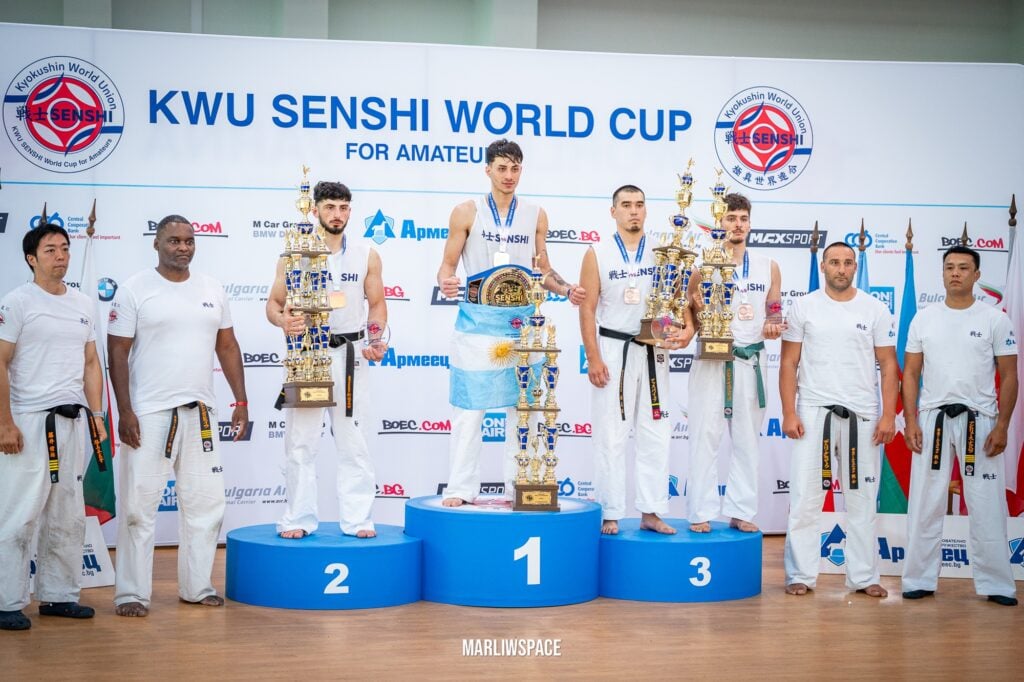
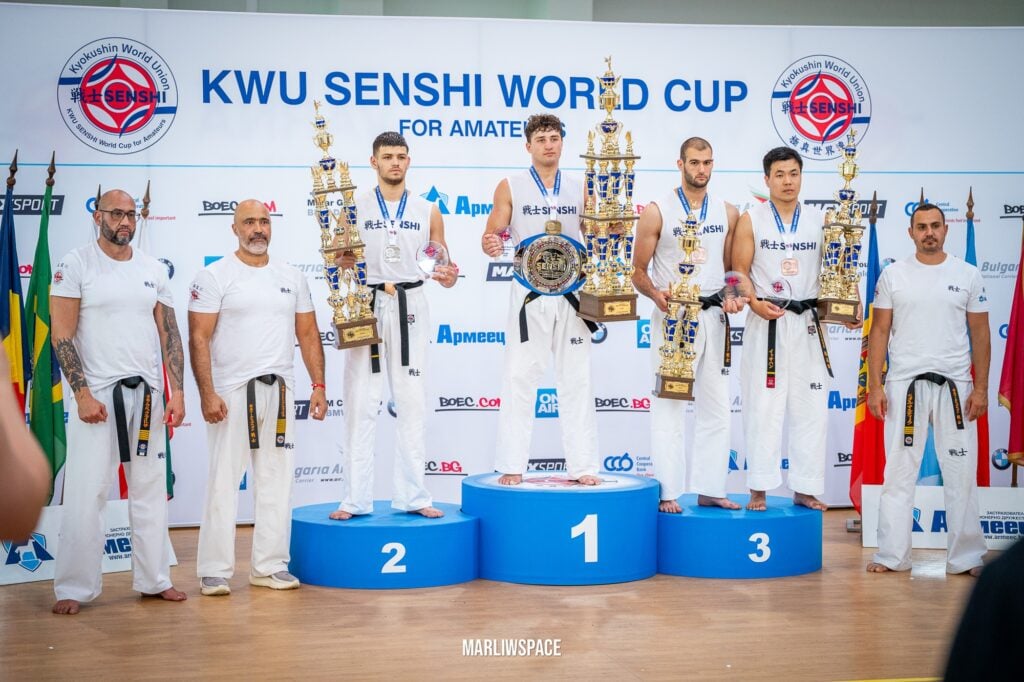
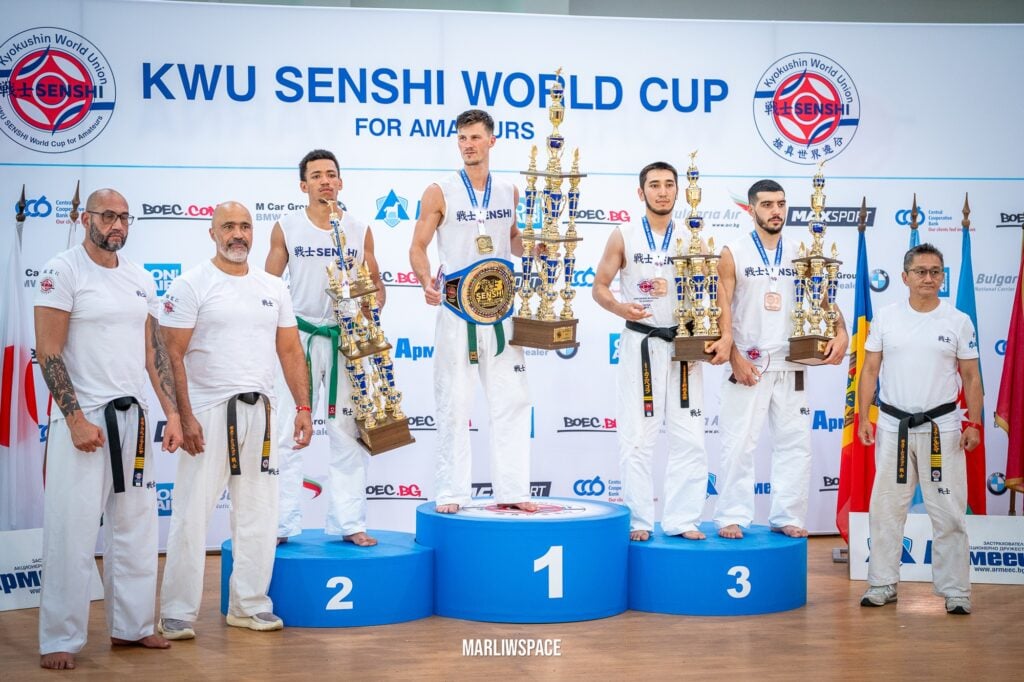
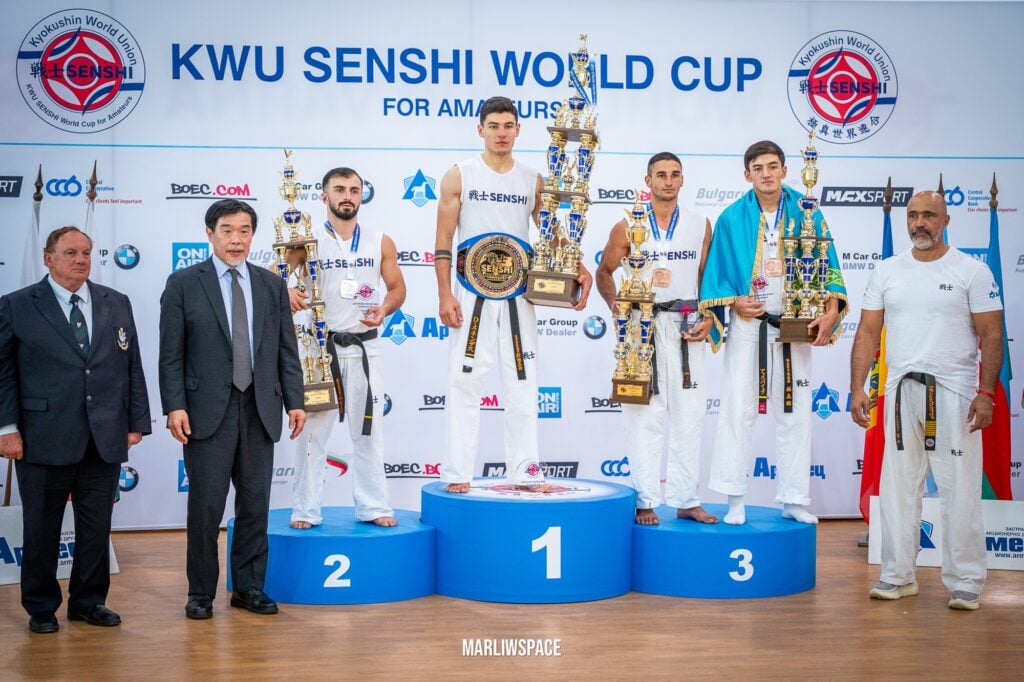
At the end of the semifinals and finals, six new KWU SENSHI amateur World Cup champions were crowned, each at the top of his division after navigating a field of international opposition.
In the -70 kg division, Manuel Menendez of Japan took the title, confirming the continued strength of Japanese full-contact schools in the lighter weight classes.
At -75 kg, Poland’s Nikodem Swies emerged as champion, adding another major amateur trophy to a country with a long history in European karate and kickboxing circuits.
Romania’s David Staicu captured the -80 kg crown, reflecting the depth of Eastern European striking talent that often funnels into professional K-1 style promotions.
In the -85 kg bracket, Argentina’s Fabricio Molina won gold, signaling South America’s growing presence in the KWU SENSHI ecosystem.
The -90 kg championship went to Lucian Genunchi of Moldova, a nation that has quietly produced a steady stream of tough full-contact fighters.
In the +90 kg heavyweight division, another Argentine, Pablo Molina, claimed the top spot, giving Argentina two World Cup champions in the 2026 edition.
All six had to win three times over the tournament’s run, through the qualifying round and semifinals before closing out their campaigns in the finals. While the official bracket site focuses on scheduling and remuneration, KWU SENSHI’s own communications frame these winners as the next wave of athletes expected to push toward the professional ranks within the promotion and beyond.
XX International Martial Arts Summer Camp
The World Cup sits inside the XX International Martial Arts Summer Camp, which runs from July 5–12 in Varna and gathers more than 1,600 participants from 49 countries for seminars, sparring sessions and technical classes led by top-level instructors. For amateurs competing at the World Cup, this setting offers a rare mix: in the morning they train with legends of Kyokushin, K-1 and other disciplines, and in the evening they fight in a structured international tournament.
The camp itself is a key pillar of KWU SENSHI’s brand, and the World Cup is promoted as the competitive centerpiece of the week for amateur athletes. By integrating tournament days (July 8–10) into the camp calendar and then closing with the SENSHI 32 gala on July 11, the organization turns Varna into a full fight festival that spans grassroots training to high-level professional kickboxing.
With the amateur World Cup wrapped, the focus in Varna shifts almost immediately to SENSHI 32, the international fight gala scheduled for Saturday, July 11, at 7:30 PM EET / 12:30 PM EST. The event will take place at a specially built beach arena next to Restaurant More in the St. St. Constantine and Helena Resort just outside Varna, a now familiar setting for SENSHI’s open-air shows.